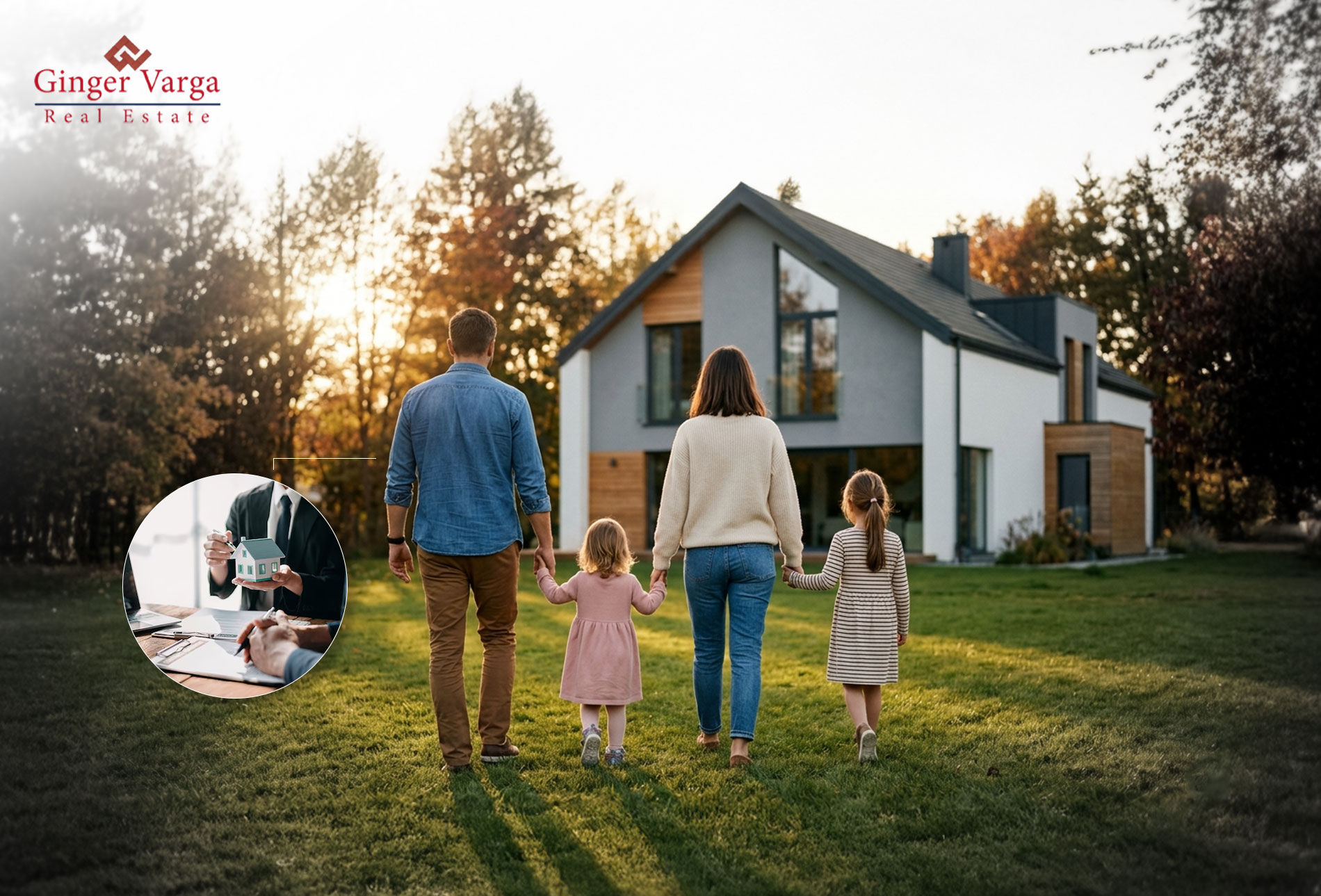
Multi-generational living is becoming increasingly popular, driven by changing economic conditions and social dynamics. Whether to care for parents, provide enough space for children, or unite extended families, multi-generational homes are on the rise.
The DFW market is adapting to the trend of multi-generational living, changing the way modern families approach housing. These homes feature accessory dwelling units (ADUs) and Next-Gen suites, accommodating different generations and offering privacy and connection.
This innovative approach allows families to live together while comfortably reflecting the region’s rapid growth. It is increasing due to rising living costs and the desire to stay well-connected across all generations.
In this blog, we will explore the key features of multi-gen living and discover why it is gaining popularity. We will further discuss the best neighborhoods in DFW for multi-generational homes.
Know About the Place: Is Dallas a Good Place To Live?
Start reading!
Why Multi-Generational Living Is Booming in Dallas–Fort Worth?
A multi-generational increase has been noticed in Dallas–Fort Worth, and it depends on several essential factors. One of the key factors is the rising cost of living in the region, property taxes, and everyday expenses. Thus, families try to pool resources and share a residence. It helps share costs and establish the financial security of all individuals.
Learn More: Texas Disabled Veteran Property Tax Exemption
Here we will discuss the reasons why multi-generational living is increasing –
Cultural Requirements
Cultural trends play a crucial role in shaping family living patterns. This setup fosters deeper family connections, collaborative responsibilities, and vibrant traditions across generations.
Even the DFW job market, strong and diverse, attracts individuals from various backgrounds. It increases the need for flexible, family-focused housing for working professionals settling in DFW. It emphasizes moving from a nuclear family to a more community-centric and family-focused lifestyle.
Caring for Elders
Another significant aspect is the growing need to care for elderly parents. There has been an increase in the number of families choosing to care for their elderly relatives at home rather than seeking external assistance. Living in multi-generational households offers companionship, emotional support, and the capacity to care for one another’s welfare.
Supports Young Adults
Presently, adult children are moving back home more frequently after completing their degrees, during job changes, or due to economic instability.
Multi-generational homes provide a nurturing setting for young adults to save expenses, build their lives, and contribute to their household.
Due to the increasing demand, home builders and developers in DFW offer creative housing options, including accessory dwelling units (ADUs), Next-Gen suites, and adaptable floor plans.
These advancements allow families to preserve privacy and independence and enjoy the benefits of living together. Consequently, multi-generational living is more than a trend. It is about evolving into an appealing option for numerous families throughout Dallas–Fort Worth.
Learn More: Difference Between Texas Vet Loan and VA Loan
Key Features Every Multi-Generational Home Should Have
Every home is not created equally to accommodate more than two to three generations under one roof. Multi-gen homes ensure comfort, privacy, and harmony for all.
With distinct living areas and easy-to-navigate layouts, these features contribute to a hassle-free living experience for families of all ages.
Let us explore the must-have features transforming a house into an ideal multi-generational residence –
Separate or Semi-Private Living Quarters
The foundation of any thriving multi-generational household is a commitment to personal spaces for various family groups. It encourages healthy limits while ensuring everyone stays under one roof.
The common separate or semi-private living quarters include:
- In-law suites or casitas: These are independent or connected units featuring a bedroom, bathroom, kitchenette, living space, and a private entrance.
- Dual primary suites: It includes dual primary suites, one present on the main floor for elderly parents and another upstairs for the rest of the family.
- Private wings: These are separate hallways providing access to bedrooms with attached bathrooms.
- These arrangements enable grandparents to retain their independence, adult children to enjoy privacy during transitions, or even create room for caregivers.
Private Entrance or Separate Entry
In a multi-generational home, each individual requires their own area and independence. Having distinct entrances or areas in the home enables each family unit to have separate access while remaining part of the larger household.
A separate entrance for a guest suite or independent living area provides family members with added privacy. It helps them maintain their connection to the main house and is highly beneficial for the elder family members or young adults. It allows individuals to come and go without disrupting the household.
You can even opt for providing a zero-step entry at both entrances to enhance accessibility.
Second Kitchen or Kitchenette
The kitchen is the heart of any household, but in a multi-generational environment, it requires extra care. A large kitchen in these homes requires plenty of counter space, multiple cooking areas, and adequate storage, which simplifies meal preparation. It becomes essential when the family members have diverse dietary needs.
Separate storage areas for various generations improve the organization of groceries and ingredients. Pull-out shelves, accessible cabinets, and ergonomic designs ensure everyone can easily access the kitchen necessities. Incorporating a cozy breakfast area or a relaxed dining spot allows family members to share quick meals without disrupting formal dining areas.
Accessory Dwelling Units (ADUs) & Casitas
Accessory Dwelling Units (ADUs) have become a vital answer to tackle the challenges of urbanization. They offer small living spaces in crowded city areas, serve multi-generational households, and provide various community benefits.
An ADU, also referred to as an ancillary suite, casita, pool house, backyard cottage, or in-law suite. It is essentially a secondary living unit situated on the same property as a single-family residence.
They offer practical solutions to various needs by creating opportunities for passive rental income, increasing property values, and supplying overflow guest accommodations. It also provides dedicated home-office areas for the growing number of remote employees.
Flexible, Convertible Floor Plans
Creating the space and arrangement is crucial for multi-generational households. Versatile spaces serve multiple roles and adapt to evolving requirements. These homes even offer families the adaptability to maximize their living spaces.
Consider incorporating elements such as sliding dividers, collapsible beds, or multifunctional furniture. It ensures that the house can change and develop alongside the family.
Multiple Primary Suites
Although the shared spaces are essential for multi-generational households, having private spaces is also crucial. A well-designed house should feature private suites or bedrooms with attached bathrooms for elderly parents, grown children, or visitors.
These include –
- Independent Living Areas: A private suite with its own entrance or access to a designated living area allows family members to maintain independence while staying together. It is particularly crucial for older parents or grown children who might require greater autonomy.
- Comfort and Accessibility: Every suite must provide comfort and accessibility, including features such as spacious doorways, flat entryways, and accessible restrooms. These spaces can be easily modified according to the future mobility requirements.
- Long-Term Viability: When creating private suites, it is crucial to balance current requirements with long-term flexibility. Implementing universal design features and careful planning allows these areas to adapt to your family’s requirements.
Accessibility-Ready Design
A primary aspect of a multi-generational house is developing a practical layout that accommodates the needs of every family member.
It involves considering specific factors such as accessibility, safety, and ease of navigation for elderly individuals or those with disabilities.
The multi-generational homes include seniors or relatives with mobility requirements. It is necessary to integrate universal design concepts from the very beginning. These attributes support everyone and enhance safety for all occupants.
The essential elements include:
- Entries without steps and door openings at least 36 inches wide for wheelchair accessibility.
- Bedrooms and full baths on the main level to eliminate stairs.
- Bathroom grab bars, roll-in showers, and elevated toilets.
- Having ramps, lever-type grips, and slip-resistant surfaces everywhere
- Elevators or space for future installation in larger homes.
Soundproofing & Zoned Privacy Areas
Each home is crafted to foster relationships while considering your personal requirements. Zoning for privacy creates a design that enables every generation to feel comfortable and connected.
For example, with Dallas zoning, the elders may relax in the peaceful spaces next to serene gardens or courtyards. On the other hand, young couples enjoy the seclusion they need to relax without interruption.
Generally, kids thrive in playful environments where they can easily connect with both parents and grandparents. It develops deeper connections across generations. Get a living experience where everyone feels at home together.
Include design features such as separate entrances, private bathrooms, and soundproof walls to create a personal space within the home. Even the bedrooms should be well planned to offer privacy and be easily accessible.
Shared Space That Supports Togetherness
Multi-generational homes feature numerous communal areas where family members gather and enjoy each other’s company. These areas must be spacious enough for the whole family while versatile enough to serve various purposes.
The shared spaces may include –
- Living Rooms and Dining Areas: Open-plan layouts feature a large living and dining space ideal for hosting family events and celebrations. A big dining table can easily accommodate several generations, and a roomy living area lets everyone unwind together.
- Entertainment Areas: A communal media room or entertainment space provides a venue for family movie nights, gaming sessions, and other group activities.
Technology & Smart-Home Integration
Improved energy management in residences is incorporated through innovative features such as automated lighting and motion-detection systems.
These advanced features will enhance living environments by accommodating each person using trip-crossing sensors. It offers families contemporary convenience without extra expenses with proper management, delivering superior safety and security.
Additional Features Important for DFW Buyers
In addition to the basics for multi-generational households, Dallas–Fort Worth buyers often look for additional amenities that cater to the area’s distinct lifestyle and climate.
These include energy-saving improvements, expansive outdoor spaces, and intelligent home technology, all of which enhance comfort and convenience in everyday living.
Let us discuss the additional features that are especially valuable to homebuyers in the DFW area –
Rooms for Extra Storage
A common issue in multi-generational households is securing sufficient storage for all your belongings. As more family members stay in the same home, the demand for storage space increases. Ensure you have enough storage options that meet the needs of all age groups.
It includes –
- Pantries, Closets, and Basements: Large pantries, well-finished closets, and well-finished basements provide ample storage space. Integrated shelves and cabinets are an excellent method to maintain organization and conceal items.
- Multi-Purpose Storage: Creating storage options usable by all, such as lockers in rooms or easy-to-reach shelving in bathrooms, helps maintain a tidy home.
Sustainable and Energy-Efficient Features
Integrating energy-saving elements into your multi-gen home lowers utility expenses and reduces environmental effects. These attributes help the family over time and enhance the home’s sustainability for future generations.
- Energy-Efficient Appliances: Using energy-efficient devices reduces energy consumption and makes your home more eco-friendly.
- Sustainable Building Materials: Utilize eco-conscious materials such as reclaimed wood or low-VOC paints. It contributes to a healthier indoor environment and reduces the home’s carbon footprint.
Multi-Use Outdoor Spaces
Outdoor areas serve as an extension of the house and offer an ideal opportunity for families to bond. Designing an outdoor space that appeals to people of all ages is essential.
These outdoor spaces include –
- Family-Friendly Yards: A secure, accessible yard with broad pathways, decks, or patios is ideal for outdoor seating, cooking areas, and play areas for children. Features such as ramps and spacious pathways ensure all individuals can enjoy the area.
- Outdoor Dining and Entertainment Areas: You can include an outdoor kitchen or a spacious dining area for family meals and get-togethers. It will help in uniting everyone in a casual environment while appreciating nature.
Best Neighborhoods in DFW for Multi-Generational Homes
With the rise of multi-generational living in Dallas–Fort Worth, choosing the appropriate neighborhood becomes crucial.
The best neighborhoods offer spacious, modern homes with flexible layouts. It also provides easy access to schools, healthcare facilities, parks, and services that appeal to families at every stage of life.
If you are thinking, Is Dallas a good place to live, the answer is yes. It depends on its strong job market, diverse culture, affordable housing, and wide variety of neighborhoods.
Here we will discuss the top neighborhoods in DFW for multi-gen living –
Southlake
Southlake is a perfect place for your family. It is one of the finest areas to reside in the Metroplex due to its elegance, numerous amenities, and availability of large homes. It is known as a luxury suburb and has a relatively high cost of living.
The Town Square offers high-end shopping and dining, while Grapevine Lake provides recreational opportunities for all ages. Southlake is ideal for affluent families looking for luxury.
Flower Mound
If you are transitioning to the north side of Lake Grapevine, Flower Mound is a perfect residential area. It features a low crime rate, excellent educational institutions, lovely parks, and numerous leisure activities.
This town in North Texas has more than 80,000 inhabitants and is served by five distinct school districts, making it suitable for high-end multi-gen homes.
Prosper
Prosper ranks among the fastest-growing regions in DFW and is located just north of Frisco. It attracts multi-generational families due to its expansive landscapes, Prosper ISD schools, and master-planned neighborhoods.
These homes offer floor plans that include attached multi-generational suites featuring kitchenettes and separate entrances in spacious areas.
Prosper blends rustic appeal with contemporary amenities, offering trails, parks, and easy access to the Dallas North Tollway.
Colleyville
Colleyville combines luxury and community for multi-generational families. It features the well-regarded Grapevine-Colleyville ISD and is near DFW Airport. It is mainly known for its tree-lined streets and high-end properties.
Here, the homes feature custom designs with in-law suites or wide layouts for privacy and shared spaces. It is also considered the ideal place for prominent families and young generations to live.
Coppell
Coppell boasts about its outstanding Coppell ISD, lower student-teacher ratios, and convenient location close to the airport. The houses here often include adaptable spaces ideal for multi-generational living, and many new constructions offer additional suites.
The parks, trails, and family-oriented events in the suburb promote unity, while safety and accessibility attract people of all ages. The property prices here are affordable, ranging from about $500,000 to $800,000, making it attainable for expanding families.
Multi-Generational Living: Bringing Flexible Spaces for Growing Families!
Multi-generational living involves establishing an environment where each family member, from young children to elderly relatives, feels comfortable and at ease.
The ideal home characteristics feature adaptable designs, communal and private areas, accessibility features, and leisure facilities. These features significantly enhance a comfortable, pleasant living experience.
Multigenerational households require finding a harmony between togetherness and personal identity.
With an increasing number of families choosing to live in multi-generational households in Dallas suburbs & towns, you must prioritize comfort, safety, and aesthetic appeal for everyone.
The DFW market offers a wide range of living options, and it requires an expert to understand the most suitable multi-generational home.
Ginger Varga, one of the most experienced realtors in DFW, comes with the insight and dedication to help you navigate the process and find the perfect fit for your family.
With the proper guidance, your dream of harmonious multi-generational living is well within reach.
FAQs
What is the average cost difference between a regular home and a multi-generational home in DFW?
There is no average cost variation, as prices for multi-generational homes in the DFW region are increasing. It depends on its unique characteristics, dimensions, and whether it is newly constructed or remodeled. Multi-generational homes have a higher initial cost than similar single-family houses due to the extra space and features, but they often result in substantial savings over time.
Can I legally rent out part of my multi-generational home in Dallas?
Yes, you can legally lease a portion of your home in Dallas. But it is essential to adhere to city regulations, verify your mortgage/HOA for limitations, obtain permits for any new constructions, and establish a detailed lease with family/tenants to clarify expectations.
Do multi-generational homes have higher resale value in the DFW market?
Yes, multigenerational homes boast greater resale value in DFW due to their ability to satisfy significant demand for affordability, flexibility (such as ADUs for rental income/care), and lifestyle requirements. It also attracts a broader range of buyers, particularly as increasing home prices enhance the appeal of shared living.
Are there tax benefits for owning a multi-generational home?
In the United States, there is no particular federal tax credit for “multi-generational homes” as in Canada. The overall tax advantages are tied to current credits and deductions based on residents’ financial situations.
How much does it cost to add an ADU or private suite to an existing home in DFW?
Adding an ADU or private suite in the DFW region usually ranges from $100 to $250 per square foot. The average is between $40,000 and $150,000+, with expenses varying significantly by type, dimensions, finishes, and local factors, while Texas tends to offer lower construction costs than California.
What financing options are available for buying or building a multi-generational home?
Funding a multi-generational house requires conventional residential mortgages for buildings with up to 4 units, or targeted renovation/construction loans. The crucial choices include combining resources with relatives, government-backed loans, and home equity solutions.
How do I ensure privacy between family members in a multi-generational home?
Maintaining privacy in a multi-generational household requires a blend of careful home planning and open communication to define and honor boundaries.
- Designate Private Retreats: Every family member or individual must have their own private area, ideally a bedroom, where they can withdraw and unwind without interruptions.
- Create Separate Living Areas: Design the home with multiple living rooms, or a secondary kitchenette, so different age groups can enjoy their own activities.
- Consider Structural Separations: An accessory dwelling unit (ADU) or a fully contained in-law suite with its own entrance, bedroom, and bathroom is an ideal way to provide independence and privacy.
What should I check during inspection for a multi-generational property?
For a multi-generational home inspection, check the usual major systems but focus extra on separate living spaces, accessibility, soundproofing, utility costs, and safety features like railings and lighting, as these homes have unique needs for varied occupants.
Ensure proper permits for additions and look for environmental hazards such as mold, asbestos, or radon, which are critical to ensuring a safe environment for everyone.
Are there HOA restrictions that affect multi-generational living?
Yes, Homeowners Associations (HOAs) may implement rules that influence multi-generational living, but such restrictions must comply with federal, state, and local laws, particularly fair housing regulations. The effect depends on the precise wording of the HOA’s governing documents and applicable laws.
How do multi-generational homes impact utility bills in Texas?
In Texas, multi-generational homes generally lead to lower per-person utility expenses due to shared costs and pooled resources. However, the total household bill will be higher than that of a single-family home with fewer occupants. The overall financial burden on each family member is significantly reduced.