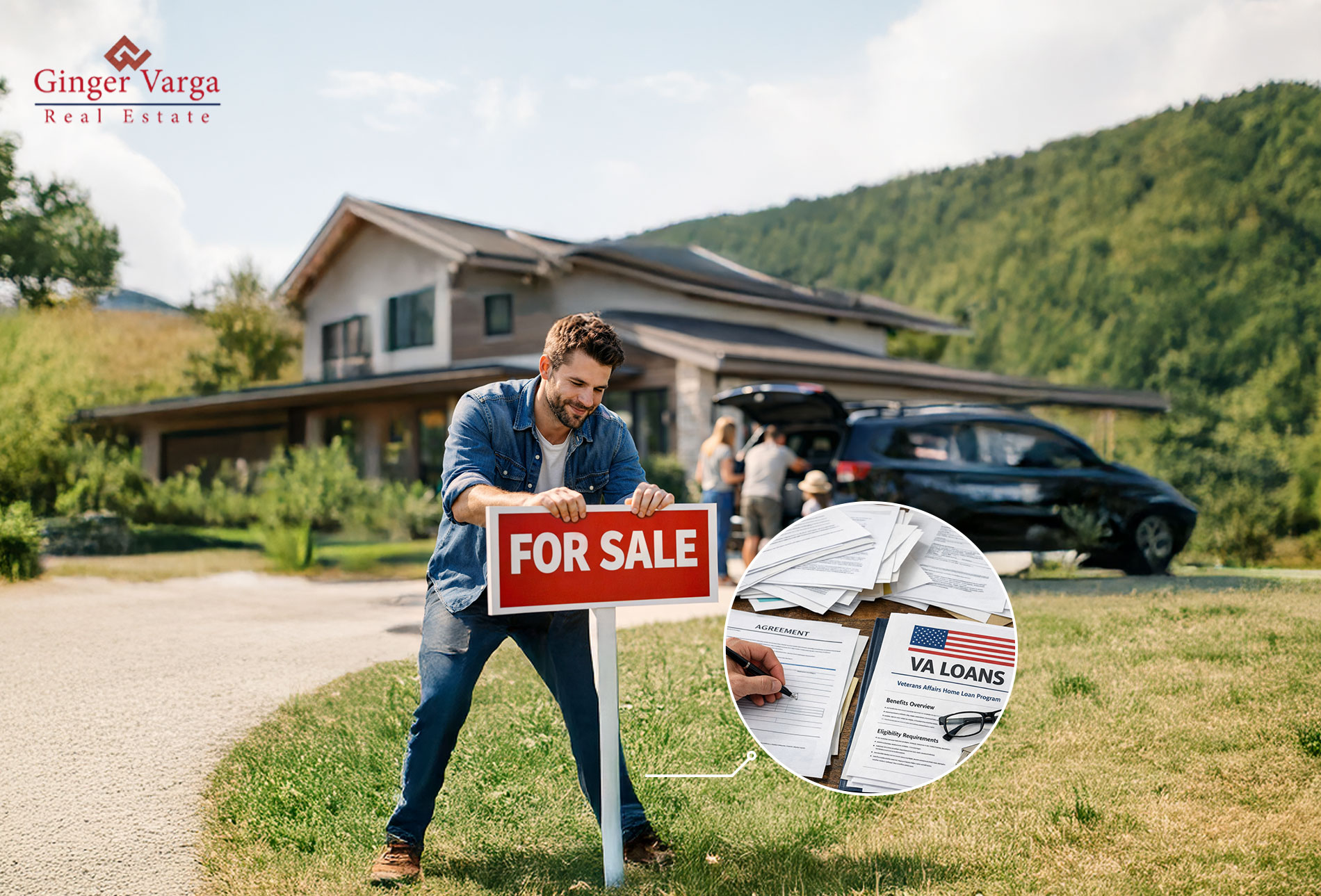
In most situations, forgoing a home inspection is not an option you should take, even in a competitive market such as Dallas-Fort Worth. Although you may have a stronger offer by waiving the home inspection, you will also be shouldering the burden of all repairs by yourself. This is because any underlying problems with the structure, electrical, or foundation of the house may cause you financial distress down the road.
A clear understanding of the inspection purpose and how it differs from lender evaluations helps buyers make informed decisions. The present article offers practical insight, real-world scenarios, and safer alternatives to protect both your home and investment.
Key Takeaways: Is Skipping a Home Inspection Really Worth
These core insights from the blog stand out for anyone navigating home purchases in Dallas-Fort Worth.
- In Dallas-Fort Worth, skipping an inspection can lead to costly surprises.
- Market urgency should never replace careful buyer protection.
- A VA appraisal confirms loan standards. It doesn’t reflect on the home’s actual condition.
- Pressure to waive inspections often signals hidden issues.
- Texas soil shifts and older homes make inspections essential in DFW.
- Dropping the inspection contingency shifts all repair risk onto the buyer.
- Smart inspection strategies continue to deliver strong results without sacrificing safety.
What “Skipping a Home Inspection” Actually Means in Your Contract?
Skipping a home inspection means you’ve agreed to buy the property largely as-is, at the condition at the time you signed the contract. You’re giving up the contractual window to evaluate structural systems, safety concerns, and other hidden defects. If serious issues pop up after closing, the cost and responsibility usually fall on you—no matter how expensive the repair. Sellers are also released from having to negotiate repairs, credits, or price adjustments based on any inspection findings.
Many buyers assume the same protection comes via the lender’s appraisal, but it doesn’t. An appraisal is mostly concerned with issues of value and fundamental habitability, not with conducting a complete review of condition. A professional inspection checks major systems of the roof, foundation, electrical, plumbing, and HVAC. Without it, you’re relying on disclosures and quick walkthrough impressions, which can miss costly problems.
The Real Risks of Skipping a Home Inspection
Even if skipping a home inspection seems like a quick way to secure a property, it carries significant hidden dangers. Many buyers underestimate how costly and stressful overlooked problems can become. This is why understanding the risks of waiving a home inspection is essential before signing any contract.
Unforeseen Structural Issues
Without a professional inspection review, foundational problems, roofing defects, or framing concerns may go unnoticed. These issues often require expensive repairs that could have been addressed or negotiated before closing. It dramatically affects both financial stability and long-term property safety.
Hidden Electrical or Plumbing Problems
Faulty wiring, outdated panels, or plumbing leaks are not always visible during casual walkthroughs. If you ignore an inspection entirely, you may leave yourself responsible for repairs that compromise safety and functionality. The aspect potentially results in emergency costs or insurance complications later.
Pest and Environmental Concerns
Termite damage, mold, or other environmental hazards are typical in many homes and are often not evident without inspection. These problems can escalate quickly, affect indoor air quality, and may even threaten resale value if discovered after purchase.
Unexpected Maintenance and Repair Costs
An inspection gap removes the opportunity to uncover minor but cumulative issues, such as HVAC wear, window leaks, or drainage problems. Over time, these minor issues can create substantial financial burdens and disrupt daily life in the home.
Reduced Negotiation Power and Legal Protections
Inspection contingencies provide leverage to negotiate repairs, credits, or even walk away if severe defects exist. Waiving this protection shifts all responsibility to the buyer and limits recourse if hidden problems emerge, making the purchase far riskier overall.
What Does a Thorough Home Inspection Cover?
A detailed technical home evaluation in Dallas goes far beyond a quick walkthrough or a surface-level opinion. A skilled inspector evaluates the home as a complete system. He examines components that affect safety, functionality, and long-term maintenance costs.
As a buyer, you can appreciate the importance of a home inspection once you understand what is reviewed, especially before making a significant financial commitment.
Structural Components and Foundation Stability
Inspectors examine the foundation, framing, walls, and visible structural supports for signs of shifting, cracking, or water intrusion. Even minor structural concerns can signal larger problems ahead. As a result, this part of the inspection often provides critical peace of mind before closing.
Roofing, Attic Conditions, and Drainage
An in-depth inspection includes the roof surface, flashing, gutters, attic ventilation, and insulation. Roof issues are among the most expensive repairs homeowners face. Early detection helps buyers avoid unexpected replacement costs shortly after moving in.
Electrical and Plumbing System Functionality
Inspectors review outlets, breaker panels, wiring concerns, visible plumbing lines, water pressure, and potential leaks. These systems are essential, and hidden defects can create safety risks or require immediate repairs once ownership begins.
Heating, Cooling, and Major Mechanical Systems
Evaluation of HVAC systems is necessary for age, performance, and signs of wear. Inspectors often identify maintenance concerns that buyers may not notice during a showing. In this way, it’s possible to prevent costly breakdowns during the first seasons of homeownership.
Appliances, Interior Features, and Safety Checks
Most inspections include built-in appliances, doors, windows, stairs, and safety features such as smoke detectors. These details may seem minor, but they contribute to livability and reveal deferred maintenance that can add up quickly.
Inspection Considerations for Unique Buyer Situations
For some buyers, inspection decisions become more complex depending on the type of purchase and financing involved.
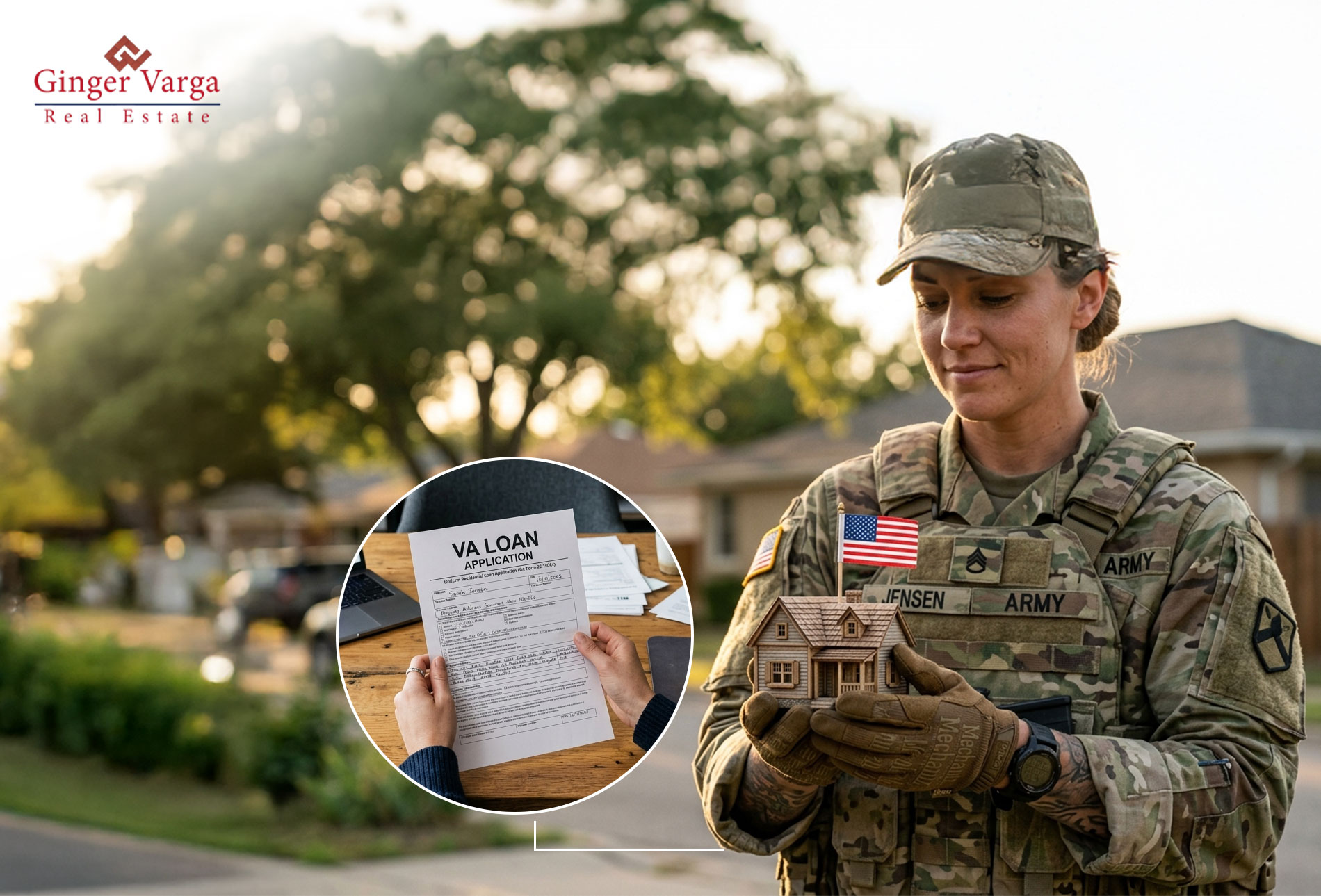
Veteran Affairs (VA) loans, for example, are government-backed mortgage options. It can help eligible service members and veterans buy homes with favorable terms. These buyers often assume the VA appraisal offers full protection, but that is not its purpose.
A cash buyer waiving inspection takes on full responsibility for repairs without lender protections. Simultaneously, buyers purchasing through Veteran Affairs (VA) financing should remember that inspections differ from appraisal standards and value assessments.
Working with a veteran-specialized realtor can make all the difference for VA buyers navigating the differences between inspections and appraisals.
How is a Home Inspection Different from a VA Appraisal Inspection?
| Factor | VA Appraisal (VA Loan) | Home Inspection (Buyer Protection) |
|---|---|---|
| Primary purpose | Confirms the home supports the loan value and meets VA minimum property requirements | Evaluates the home’s overall condition for the buyer |
| Main focus | Market value + basic safety and habitability | Full system-by-system evaluation |
| Depth of review | Limited | Detailed and thorough |
| What it typically checks | Minimum Property Requirements (MPRs), safety issues, basic livability | Roof, plumbing, electrical, HVAC, foundation, structure, drainage, and more |
| Best approach | Required for VA financing | Strongly recommended—even with VA loans |
Are There Situations Where Skipping a Home Inspection Might Be Reasonable?
While a home inspection is always a wise step, there are rare circumstances where skipping it might make sense. Sometimes, they might be making strategic decisions in highly competitive markets.
Still, it’s critical to weigh any shortcut carefully before finalizing an offer:
- Brand-new homes from reputable builders (especially with strong warranties), though a quick walkthrough is still smart.
- Homes with a recent, licensed inspection report provided by the seller—only if it’s thorough, current, and verified.
- Cash buyers with high risk tolerance, often planning major renovations or a quick resale.
- Extreme seller-favored markets, where buyers waive contingencies to compete—only after weighing the financial risk.
- Situations where the buyer fully understands the consequences and accepts potential hidden defects and repair costs.
Consulting with an experienced realtor in Dallas, TX, and weighing the risks of waiving a home inspection is fundamental.
Smart Alternatives to Skipping a Home Inspection
Some of the alternatives to skipping a home inspection are mentioned below:
- Ask for a seller pre-listing inspection so you can review the home’s condition before making an offer.
- Shorten the inspection contingency window to stay competitive without removing protection.
- Do a focused inspection on high-risk systems (roof, foundation, electrical, plumbing, HVAC).
- Offer an inspection credit to simplify minor repair discussions while keeping safeguards in place.
- Lean on professional guidance from your agent and inspector to assess risk and avoid costly surprises.
Special Scenarios Where Skipping a Home Inspection Is Extra Risky
- Older homes in Texas neighborhoods may have problems such as shifting foundations, plumbing, and wiring, and they may be costly.
- Condo sales when the common systems (roof, plumbing stacks, structure) can affect your value, cost, and comfort.
- Offers with no inspection contingency as you will be giving up an opportunity to renegotiate or even walk away if major flaws are discovered.
- Quick flips and rapid renovations where cosmetic work can cover for any issues in workmanship and/or in systems.
- Homes with poor visibility during showings, where critical defects will not be apparent until after closing.
Red Flags When Someone Pushes You to Skip a Home Inspection
Dallas is a great place to live owing to its diverse economy, flourishing job opportunities, favourable climate, and affordability. Pressure to move fast is standard in such an attractive market, but urgency should never replace due diligence.
When someone strongly encourages passing on an inspection, it often signals that important information may be missing.
Below, we have highlighted these warning signs to protect both your finances and peace of mind.
- The Seller Wants an Unusually Fast Closing with No Questions Asked
- Statements That Downplay the Need for Professional Evaluation
- Resistance to Any Form of Inspection Contingency
- Pressure Framed as the Only Way to Win the Home
Final Verdict – Is Skipping a Home Inspection Really Worth It?
Buying a home is one of the biggest financial decisions you will ever make. The pressure to win a property in Dallas-Fort Worth can feel intense.
In my experience of working with buyers across various transactions, skipping an inspection is rarely the clever trade-off. A home is more than a contract win. It is a long-term investment, and protecting that investment matters.
For First-Time Home Buyers
First-time buyers often have the most to lose by removing inspection protections. Major repairs can be financially overwhelming early in homeownership. Down payments, moving costs, and new expenses already stretch the budgets. Hence, to avoid surprises, I always encourage first-time buyers to focus on confidence, not speed.
For Move-Up Buyers and “Forever Home” Shoppers
Move-up buyers are usually thinking long-term, and that makes inspections even more critical. A forever home should bring stability.
You don’t want any structural or mechanical burdens in this regard. Skipping the chance to understand the property can create regret later.
For Investors and Cash Buyers
Investors and cash buyers sometimes feel more comfortable absorbing repair costs, though the risk remains. Even experienced buyers can miss expensive issues that affect profitability or future marketability.
I recommend strategic investing since it works best when decisions are informed. Inspections often provide the clarity needed to avoid costly missteps.
Key Takeaways to Remember on Offer Day
On offer day, competitiveness matters. At the same time, protection matters more. It’s possible to write strong offers with innovative inspection strategies in place. My role is always to help buyers balance market realities with responsible decision-making.
Make the Right Choice Before You Waive a Home Inspection!
Purchasing your dream home should feel exciting and secure. Of course, there should be no uncertainty. Opting out of an inspection may seem like a shortcut in a competitive market. In turn, it often creates unnecessary financial and structural risk.
A comprehensive home assessment provides clarity, protects your investment, and helps avoid costly surprises after closing. Ginger Varga is a top realtor in DFW who guides buyers through high-pressure decisions with smart strategies. Her goal is to secure the right home for you with confidence and peace of mind.
Ready to buy wisely? Contact Ginger today for trusted guidance.
Is Skipping a Home Inspection Really Worth It: FAQs
Q1: Is it enough to have a contractor walk through instead of a licensed home inspector?
Ans: A contractor walkthrough can help, but licensed inspectors follow standardized checklists and provide documented findings. Contractors may focus only on visible repairs, while inspectors thoroughly evaluate systems, safety concerns, and long-term structural performance.
Q2: Can I use the seller’s old home inspection report instead of ordering my own?
A seller’s previous report may offer practical context, but conditions can change quickly. Thorough inspections can reflect the home’s current state. Hiring your own inspector ensures independent evaluation and accountability.
Q3: How far in advance should I start lining up a home inspector if I know I’ll be shopping soon?
I suggest you start researching inspectors before you seriously tour homes. Competitive markets like Dallas-Fort Worth move fast. Therefore, having a trusted professional ready allows scheduling within tight contingency windows and prevents rushed decisions during negotiations.
Q4: What happens if I discover severe defects after closing when I skipped a home inspection?
After closing, repair responsibility usually shifts entirely to the buyer. Major defects, such as foundation movement or plumbing failure, can be costly surprises. In such scenarios, buyers have limited legal options unless they can prove disclosure violations.
Q5: Are there states or situations where a home inspection is legally required?
Home inspections are generally optional. In most states, it’s not legally mandatory. Nonetheless, certain loan programs, local regulations, or property types may involve mandatory evaluations for safety or occupancy compliance.