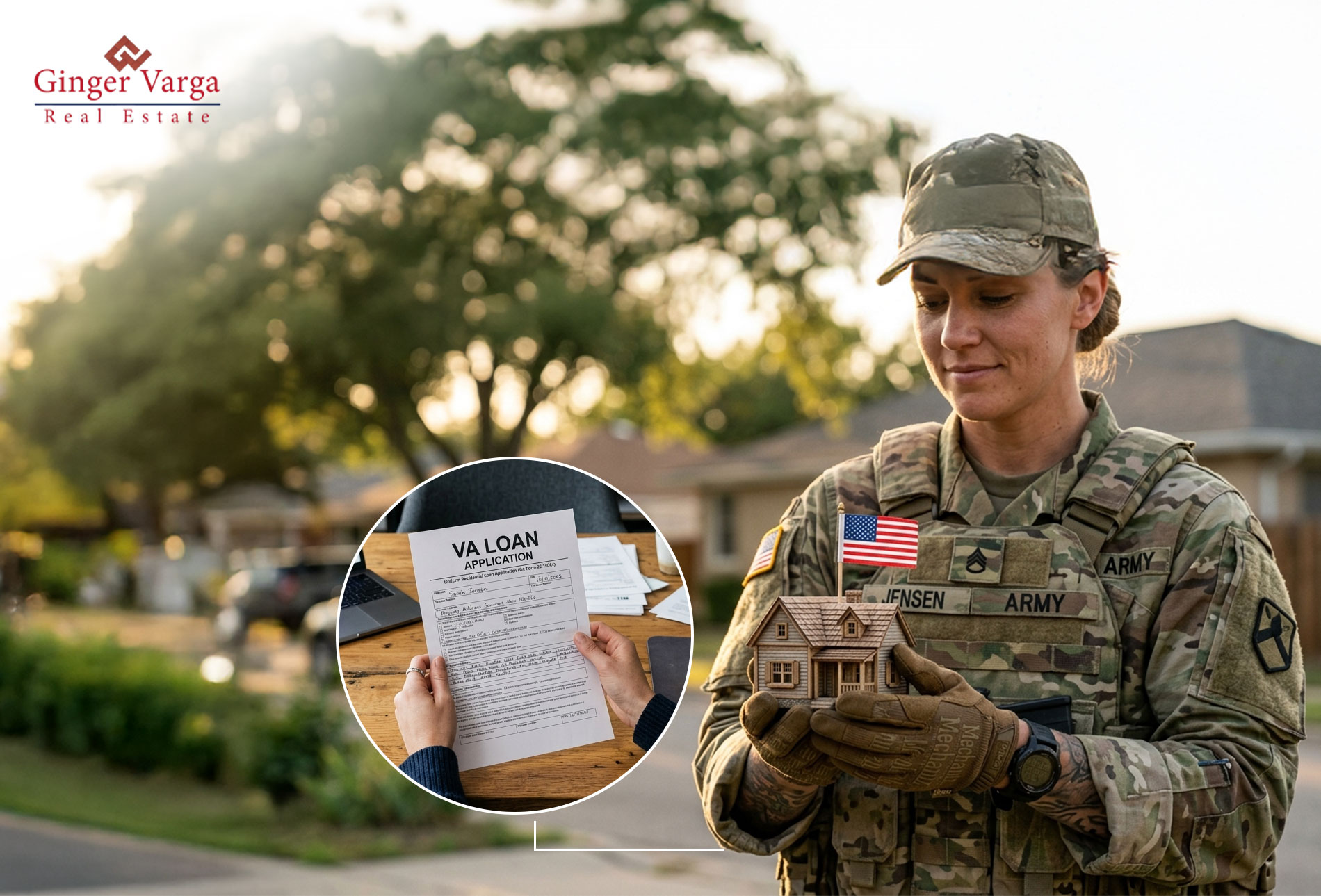
The VA Home Appraisal Process safeguards and protects veterans by verifying that a home has a fair market value and that it meets the necessary safety standards before the loan is approved. According to VA Home Appraisal Requirements, a home must meet the Minimum Property Requirements (MPRs) for soundness, habitability, and safety, which assists veterans in making well-informed decisions when purchasing a home.
In this comprehensive guide, we’ll break down how the VA appraisal works in Dallas, TX, what appraisers look for, common challenges, and tips to help you navigate the process smoothly from start to finish.
What Is a VA Home Appraisal?
A VA home appraisal is a critical step in the VA loan process. It protects veterans and active-duty service members when purchasing a home.
The home appraisal is an official evaluation of a property’s value and condition, ordered by the lender and completed by a VA-certified appraiser.
The primary purpose of a VA appraisal is to determine whether the home is worth the purchase price and meets basic safety and livability standards.
Unlike a home inspection, which is more detailed and focused on the home’s overall condition, the VA appraisal is primarily focused on value and minimum property requirements.
For veterans, this process ensures that the home they are buying is a safe investment and that they are not paying more than the home is actually worth in today’s market.
Why the VA Appraisal Process Matters?
The VA loan program helps make homeownership more accessible, and the appraisal is part of that protection.
A VA appraisal helps by –
- Confirming the home is priced fairly based on comparable recent sales
- Ensuring the property meets VA Minimum Property Requirements (MPRs)
- Reducing the risk of veterans buying homes with major safety issues
- Protecting both the buyer and the lender from overpaying
If a home does not meet VA standards, repairs may be required before the loan can proceed. While this feels stressful, it helps veterans avoid unexpected problems after closing.
Difference between VA Appraisals and Conventional Appraisals
Although VA and conventional appraisals determine a home’s market value, there are key differences between them.
- A conventional appraisal is focused on value for the lender. The appraiser evaluates the home, compares it to similar properties, and provides an estimated market value. Conventional loans do not always require the home to meet the same strict safety guidelines.
- A VA appraisal has an added layer of protection. In addition to determining fair market value, VA appraisers check that the property meets basic safety, structural, and livability requirements. The process ensures that veterans purchase homes that are safe, secure, and move-in ready.
The VA Home Appraisal Process Step-by-Step
Understanding the VA home appraisal process makes the homebuying journey much smoother for veterans and active-duty service members.
It is a clear structure that protects you from overpaying or purchasing a home that does not meet basic safety standards.
Here’s a breakdown of how the VA appraisal works from start to finish –
Offer Accepted & Loan Application Begins
The VA appraisal process begins once the seller accepts your offer on a home. At this point, you officially move into the loan application stage.
Your lender will start collecting essential documents, verifying your income, reviewing your credit profile, and confirming your eligibility for a VA loan.
The agreed-upon price in the contract will later be compared to the home’s appraised value. It’s vital to remember that the VA appraisal cannot proceed until a signed purchase agreement is in place.
It is at this point that the difference an experienced VA Realtor can make becomes substantial. Understanding the VA home appraisal process and what VA home appraisal requirements appraisers are looking for can help you make better offers and steer clear of properties that may lead to appraisal issues. Ginger Varga not only links veterans with certified VA lenders but also applies her practical knowledge of the appraisal process to ensure that her clients select properties that meet VA requirements from the onset. During this stage, having a VA-experienced real estate agent can help ensure timelines stay on track.
Lender Orders the VA Appraisal
Once the loan process is underway, the lender is responsible for ordering the VA appraisal. Buyers cannot order the appraisal themselves.
The lender submits a request through the VA’s online appraisal system, and the VA assigns a certified appraiser from its approved panel. They are trained specifically to evaluate homes under VA guidelines.
Their job is to estimate the property’s market value and ensure it meets VA Minimum Property Requirements (MPRs).
Scheduling & Property Access
After the VA assigns an appraiser, the next step is scheduling the on-site visit. The appraiser will coordinate with the listing agent or homeowner to choose a time to access the property.
Scheduling timelines vary depending on location and market demand. In busy housing markets, it may take longer to get an available appointment. Delays can also happen if the home is tenant-occupied or if access is difficult.
On-Site Appraisal Inspection
The on-site appraisal visit is where the appraiser physically evaluates the home. This is more than a detailed home inspection. It includes a careful review of the property’s overall condition and safety.
During the visit, the appraiser will look at factors such as –
- The home’s size, layout, and features
- General condition of the structure
- Roof, foundation, and exterior condition
- Basic safety issues (such as exposed wiring or hazards)
- Working utilities like plumbing, heating, and electricity
- Comparable recent home sales in the neighborhood
The appraiser’s goal is to determine whether the home is worth the contract price and whether it meets the VA’s standards for safe and livable housing.
Appraisal Report & Notice of Value (NOV)
After the visit, the appraiser prepares a detailed appraisal report and submits it to the lender. This includes the home’s estimated fair market value, along with any repair requirements or concerns.
The VA then issues what is called a Notice of Value (NOV). The NOV confirms the final appraised value that the VA will support for the loan.
At this point, one of three outcomes usually happens –
- The home appraises at or above the purchase price (best-case scenario)
- The home appraises below the purchase price (price renegotiation may be needed)
- The appraisal includes the required repairs, and closing can proceed
This is critical because the VA will not guarantee a loan above the home’s appraised value. Furthermore, any safety-related maintenance must be addressed before final approval.
Costs Associated with VA Appraisals
When buying a home with a VA loan, it’s crucial to understand the appraisal-related costs.
While VA loans offer many financial advantages, the appraisal is one expense that buyers should plan for early in the transaction.
Knowing who pays, what additional costs may arise, and how refunds work can help veterans avoid surprises.
- In most cases, the buyer is responsible for paying the VA appraisal fee. The lender orders the appraisal, but the cost is typically included in the buyer’s closing expenses.
- VA appraisal fees are standardized and regulated, so they are generally consistent across regions.
- The fee can vary depending on the location and type of property, but most VA appraisals fall between $500 and $800. This cost is usually paid upfront or included in the final closing costs.
Additional Expenses Associated
While the VA appraisal itself is a primary cost, there may be other related expenses veterans should be aware of, including –
- Re-inspection fees if repairs are required and the appraiser must return to confirm completion
- Home inspection costs, which are separate from the appraisal, but are highly recommended
- Repair expenses, if the seller refuses to address the required VA Minimum Property Requirements
- Processing or lender-related fees, depending on the loan provider
These extra costs do not always occur; they may arise depending on the home’s condition and the appraisal outcome.
Refunds and Cancellations
Refunds for VA appraisals are limited because the appraiser begins work as soon as the order is placed. If the appraisal is canceled before the inspection, a partial refund may be available.
However, once the appraiser has visited the property or completed the report, the fee is generally non-refundable.
Understanding these costs upfront helps veterans budget wisely and move through the VA homebuying process with greater confidence.
Understanding VA Minimum Property Requirements (MPRs)
VA appraisals focus on Minimum Property Requirements (MPRs). These guidelines are in place to ensure that veterans are purchasing homes that are safe, structurally sound, and suitable for everyday living.
Some common VA MPRs include –
- Safe and functional heating, plumbing, and electrical systems
- A roof that prevents water intrusion
- No exposed hazards, such as lead-based paint or unsafe wiring
- Proper access to the property, including a safe driveway or road
- Structural integrity, meaning no major foundation or framing issues
- Clean water supply and adequate sewage disposal
If the appraiser identifies issues that violate these requirements, the VA may require repairs before the loan can move forward.
What Happens If the VA Appraisal Is Low?
A low VA appraisal can be stressful, but it’s a situation that many buyers face, especially in competitive markets.
A low appraisal happens when the VA-certified appraiser determines that the home’s market value is lower than the agreed purchase price.
Since the VA will only guarantee the loan based on the appraised value, this creates a gap that must be addressed before closing.
If a VA appraisal comes in low, veterans typically have several options –
- Renegotiate The Purchase Price: Many sellers agree to lower the price to match the appraised value.
- Request a Reconsideration of Value (ROV): If there is evidence that the appraisal missed key comparable sales, the buyer and lender can challenge the value.
- Use the VA Tidewater Initiative: In some cases, the VA allows agents to provide better comparable before the appraisal is finalized.
- Pay the Difference Out of Pocket: This is possible, but many veterans prefer not to.
- Walk Away from the Deal: VA loans often include protections that allow buyers to exit if financing becomes impossible due to appraisal issues.
While a low appraisal can feel like a setback, it can also prevent veterans from overpaying and help ensure they make a smart financial decision.
Common Appraisal Issues & How to Avoid Them
One frequent issue is a low appraisal value. This happens when the appraiser determines the home is worth less than the agreed purchase price. To minimize this risk, veterans can use the services of an experienced real estate agent who knows the VA home appraisal process. Ginger Varga carefully assesses comparable sales, the condition of the property, and possible red flags before making an offer to help her clients avoid properties that could cause appraisal problems or closing delays.
Another common problem involves VA Minimum Property Requirements (MPRs). If the home has safety or livability concerns, such as a damaged roof, faulty electrical wiring, a lack of heating, or peeling lead-based paint, the VA may require repairs before the loan can proceed.
Appraisal delays are possible, especially in busy housing markets where VA-certified appraisers are in short supply. Staying proactive with scheduling and ensuring the property is accessible can help prevent timeline setbacks.
To avoid appraisal issues, veterans should:
- Choose well-maintained properties
- Avoid overbidding without strong comparable sales
- Work with VA-savvy professionals
- Address repair concerns early in the process
Preparation is the best way to keep the VA appraisal smooth and stress-free.
Appealing a VA Appraisal: The Reconsideration Process
If a VA appraisal comes in lower than expected, veterans are not always stuck with the result. The VA offers a Reconsideration of Value (ROV) option. It allows buyers to request a review of the appraised value.
It’s essential to note that buyers cannot appeal directly to the VA appraiser. Instead, the request must go through the lender, often with the real estate agent’s support.
The process usually involves submitting –
- Recent comparable home sales that better match the property
- Documentation of renovations or improvements
- A written explanation of why the value should be adjusted
Once submitted, the VA reviews the information and may decide to uphold the original value or issue an updated Notice of Value (NOV).
For veterans, this process is another built-in protection that helps ensure they are treated fairly and are not paying more than the home is truly worth.
Secure VA Home Appraisals in Dallas, TX
Unlike conventional loans, VA appraisals are built with the veteran’s best interests in mind. They help ensure the home is priced fairly, meets basic safety standards, and is a sound long-term investment.
From understanding VA home loan requirements to knowing what happens if the appraisal comes in low, being informed allows veterans to move through the process with confidence.
Whether you’re buying your first home, relocating, or using your VA benefits again, I am here to help you stay informed, protected, and fully supported.
Ginger Varga doesn’t just connect you with certified VA lenders — she brings years of hands-on experience navigating the VA home appraisal process and understanding VA home appraisal requirements inside and out. From identifying homes that are likely to pass appraisal to negotiating through valuation challenges, she helps ensure a smooth, delay-free closing for Dallas veterans ready to use their VA benefits with confidence. Ginger Varga is here to connect you with certified lenders for an effortless home ownership journey!
VA Home Appraisal Process: FAQs
How long is a VA appraisal valid before you can use it again?
A VA appraisal is typically valid for six months from the date it is completed. If the loan does not close within that time, the lender may need to request a new appraisal or an extension, depending on the situation.
Can VA appraisal requirements be waived for minor issues?
Generally, VA Minimum Property Requirements (MPRs) are not waived, even for minor concerns. The VA’s goal is to ensure the home is safe, structurally sound, and move-in ready for the veteran buyer.
What is the VA Amendatory Clause, and how does it protect buyers?
The VA Amendatory Clause is a special contract protection for VA buyers. It states that the veteran is not required to purchase the home if the property appraises for less than the agreed purchase price. This clause prevents veterans from being forced into overpaying and allows them to walk away without penalty.
What happens if the VA appraisal appointment is canceled?
If the appraisal appointment is canceled before the inspection occurs, the lender may be able to reschedule with minimal delay. However, if the appraiser has already begun work, the buyer may still be responsible for part or all of the appraisal fee. Cancellations can also slow down the closing timeline, so quick communication is vital.
Can a seller refuse to make the repairs required by a VA appraisal?
Yes, a seller can refuse to complete required repairs. However, if the repairs involve VA safety or livability standards, the loan cannot close unless the issues are resolved. In that case, the buyer may need to renegotiate, pay for repairs (if allowed), or move on to another property.
Do VA appraisals include environmental or pest inspections?
A VA appraisal is not a full environmental or pest inspection. Appraisers may note visible issues such as mold, water damage, or pest infestation, but they do not perform detailed testing. Veterans are encouraged to get a separate home inspection and, if needed, a specialized pest or environmental evaluation.
How does the VA handle appraisal delays in busy markets?
In high-demand markets, appraisal delays happen due to limited appraiser availability. The VA sets regional timeliness standards and monitors turnaround times.
Lenders can request updates, and in some cases, the VA may assign another appraiser if delays become excessive.
Can you negotiate repairs after the appraisal is completed?
Yes, repair negotiations often happen after the appraisal report is returned. If the VA requires certain repairs, the buyer and seller must agree on how they will be handled before closing. Many sellers complete repairs to keep the deal moving forward, especially in VA-financed transactions.