A VA loan is a perfect option for eligible homebuyers. If you bought a home with the VA mortgage program, you may have some confusion about selling a home with a VA loan.
You may assume that VA financing will slow down the process, but it is effective for the sellers. VA reduces backlog of Veterans waiting for VA benefits by 57%, according to the Department of Veterans Affairs.
Whether you are a veteran or an active-duty service member wanting to buy a home, you must focus on the benefits of VA loans. These loans are backed by the government but issued by private lenders, and their underwriting process is just as solid as any other. Clearing up these myths can help both buyers and sellers feel more confident about VA financing in today’s market.
In this blog, we will explore the reasons for sellers’ pushback against VA loans and the problems they pose for sellers. We will further discuss VA loan rules regarding selling and how buyers can strengthen their offers.
Start reading!
Why Do Sellers Push Back on VA Loans? The Real Reasons
Many sellers hesitate when presented with an offer backed by a VA loan. These loans are designed to help veterans and service members buy homes. It arises from concerns about stricter property requirements, potential delays, and added costs associated with VA financing.
Although VA loans offer benefits to veterans and active-duty service members, sellers sometimes resist them.
Understanding the real reasons behind this hesitation, buyers and agents address objections, creating smoother transactions for everyone.
Here we will discuss the reasons why sellers hesitate on VA loans –
1. Strict Appraisal and VA Minimum Property Requirements (MPRs)
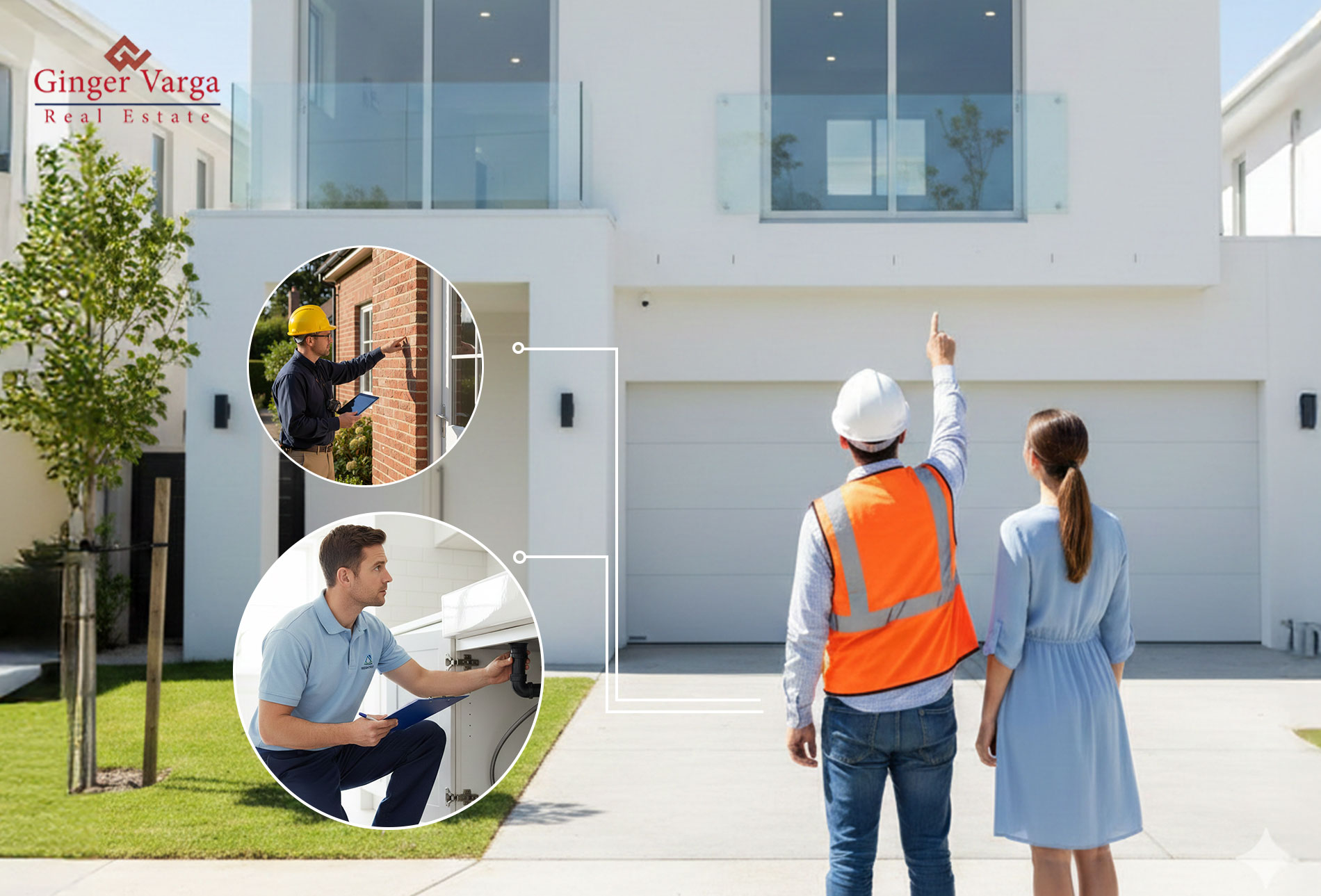
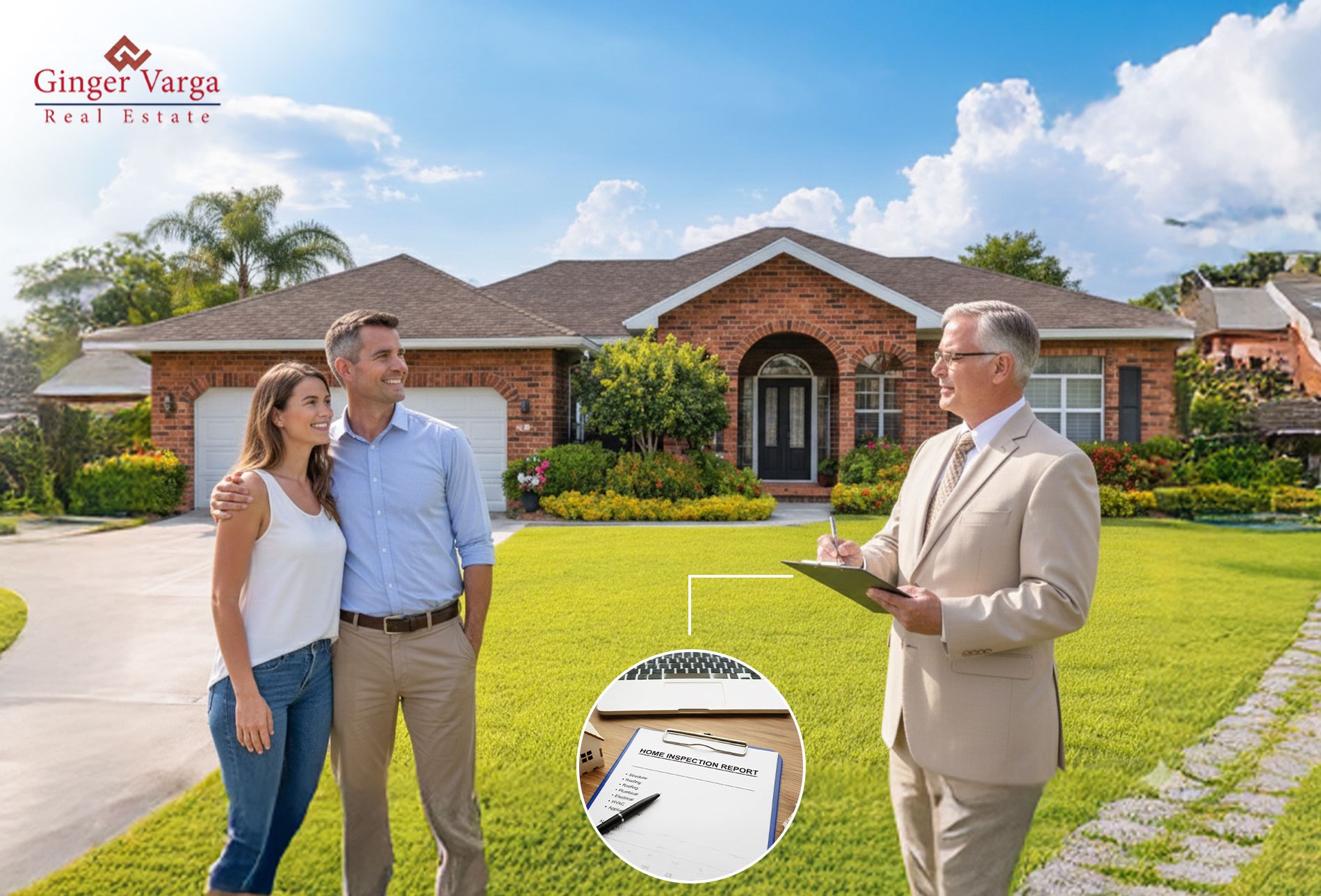
One of the main reasons sellers are reluctant to accept VA loans is the strict appraisal procedure. The VA mandates that properties must fulfill certain Minimum Property Requirements (MPRs) ensure the home is safe, secure, and clean.
Although these standards safeguard veterans, sellers occasionally fear that their property may not meet the requirements or that the appraisal process will reveal problems that must be resolved before closing.
- Safe, sound, sanitary: VA minimum property requirements focus on essential livability and safety rather than aesthetic perfection.
- Common flags: These include peeling paint, roofing problems, lack of handrails, damaged windows, ongoing leaks, and wood-destroying insects.
- Reduce seller burden: Address simple repairs promptly, and for inspections such as termite checks, veterans can cover the cost, minimizing a frequent negotiation hurdle.
- Renovation strategy: When the house requires more than minor repairs, a VA renovation option may be preferable to pursuing a conventional purchase.
2. Fear of Low Appraisals
Sellers frequently worry that VA appraisals will be lower than the contracted sale price. VA appraisers are recognized for their diligence, and if a home is valued below the contract price, sellers might need to renegotiate or potentially risk the transaction. It causes sellers to hesitate in accepting VA offers, particularly in competitive markets where larger bids are common.
3. Concern about Mandatory Repairs
If a VA appraiser identifies problems that breach MPRs, necessary repairs must be completed before closing the loan. Sellers should be concerned about being responsible for these repairs, including mending a leaking roof to rectifying flaking paint.
Concerns about unforeseen costs or setbacks can make VA offers less appealing than traditional loans, which offer greater flexibility.
4. Misconceptions about Closing Delays
Even though evidence indicates that VA loans close at about the same pace as traditional mortgages, the belief in sluggish VA closings persists. Sellers occasionally think that VA home loans involve a lot of additional paperwork or bureaucratic delays.
VA loans have a higher closing success rate (70%) than conventional loans (51%). According to current data, VA loans close in 30 to 45 days, compared to conventional loans, which take 45 to 60 days.
In practice, contemporary VA home loans also finalize within 1–2 days, similar to traditional loan schedules.
- Closing costs are negotiable: Sellers are not obligated to cover the buyer’s expenses unless the contract specifies otherwise.
- Fee rules are misunderstood: VA restricts specific lender charges, yet Veterans still cover third-party expenses.
- Timelines can be fast: With organized documents, a reliable property, and prompt appraisal requests, VA purchases finalize within a standard contract period.
- Best practice: Establish a realistic closing date, arrange inspections promptly, and limit repair requests to genuine safety and livability concerns.
5. Seller Concessions Confusion
VA home loans seller concessions, enabling them to cover certain buyer closing costs or provide other incentives, though there are restrictions on what’s permitted. Some sellers think they have to pay additional expenses or handle all closing costs. It leads to reluctance in accepting VA offers. Effective communication helps in clarifying this misunderstanding.
6. The VA Escape Clause
The VA Escape Clause safeguards veterans by allowing them to withdraw from the purchase if the appraisal is low, without losing their earnest money. Although this serves as buyer protection, some sellers perceive it as additional risk. It may be concerning that transactions may collapse at the final hour.
7. Bias and Market Competition
Ultimately, some sellers and agents may be biased against VA home loans due to outdated views or limited experience. In a competitive market, sellers may favor cash or traditional offers as they appear simpler, even though VA buyers are equally qualified.
Education and transparency are key to overcoming these biases and providing VA buyers with an opportunity.
Problems with VA home Loans for Sellers
VA home loans provide significant advantages for veterans and active-duty personnel. It enables them to attain homeownership with adaptable conditions and no down payment. Home sellers who engage with VA loans face specific challenges not encountered with conventional loans.
From strict evaluation standards to unanticipated closing expenses, understanding these possible obstacles is crucial.
Here, we will discuss the problems sellers face with VA home loans –
1. VA Appraisals
The VA home appraisal process is a critical step in the VA loan process. It safeguards veterans and active-duty service members when purchasing a home.
It includes two essential components: a valuation and a comprehensive evaluation of specific property conditions. It is also referred to as the Minimum Property Requirements, or MPRs.
Generally, VA appraisals are returned in about 10 days nationwide, though the waiting period may be longer in more remote areas.
There are different myths and misconceptions regarding VA appraisals. For sellers, your house does not need to be in flawless condition to pass the appraisal.
If the appraiser identifies property condition problems, buyers might qualify for a VA exemption.
Also, if an exemption is not approved, the seller is not obligated to cover the repair costs. The buyer can choose to handle it to keep the transaction progressing.
2. VA Closing Costs
Some home sellers reject VA offers because they mistakenly believe they must cover all the buyer’s closing costs.
The VA assumable loan restricts the closing costs that Veterans can incur, which is a significant advantage for individuals who have served our nation.
However, sellers are not obligated to cover any closing costs for a VA buyer, including fees that Veterans are not legally allowed to pay.
The responsibility for closing costs is negotiated between buyers and sellers. A seller is not obligated to contribute any amount to a VA buyer’s total cost.
3. Non-Allowable Fees and Seller Concessions
A major financial factor for sellers handling VA home loans is the range of restrictions on the fees that veterans can be charged.
The Veterans Affairs Department safeguards veterans from excessive charges by establishing “non-allowable” fees that cannot be charged to veterans. These may include lender document creation fees, processing costs, and specific underwriting fees.
Thus, the seller is frequently required to pay for these expenses or split them, unlike in conventional methods. For sellers, it may result in higher closing costs, directly reducing their net earnings from the sale.
In competitive markets, this extra financial responsibility makes VA offers less appealing than conventional ones.
4. Perception of Higher Risk
Some sellers and real estate professionals believe that VA home loans carry more risk than conventional or FHA loans. It arises from old or incorrect details about VA home loan criteria.
Common concerns may include apprehensions about stricter property standards, increased appraisal challenges, or fears that VA buyers may be less financially stable.
Some sellers are reluctant to accept offers with 100% VA financing, thinking the transaction is more prone to collapse or delay. This bias reduces veterans’ opportunities to obtain housing and may also restrict the number of proposals a seller receives. It might affect the ultimate selling price or duration on the market.
5. Potential for Lower Appraisals
VA appraisers are responsible for verifying that the property satisfies minimum property standards and is also appropriately valued. They frequently adopt a cautious approach to home valuation to safeguard veterans from additional payments.
In Texas, where property prices vary and bidding contests are common, this may result in an appraisal that falls below the contract price.
In such cases, the seller has to decide whether to reduce the price to align with the appraised value. They can even discuss with the buyer to bridge the gap, or risk the transaction collapsing if an agreement is not reached.
This situation can be especially exasperating for sellers expecting the full contract amount, particularly after an intense bidding process.
6. Required Repairs and Negotiations
VA home loans require that the home meet specific minimum property requirements (MPRs) concerning safety, sanitation, and structural integrity.
When a VA appraiser identifies problems such as peeling paint, exposed electrical wiring, or a leaking roof, the seller must complete the repairs before the loan is approved.
These repair demands can be more extensive than those required for other loan types. It can be costly and delay the closing process. If the seller does not want to make the necessary improvements, the transaction could collapse.
The need for additional repairs and discussions frequently complicates VA-financed deals, leading some sellers to hesitate to accept those offers.
VA Home Loan Rules on Selling: What Sellers Actually Need to Know?
The sellers need to be aware of the specific regulations and safeguards the VA implements to ensure a seamless transaction.
VA home loans help veterans and active-duty service members acquire homes under advantageous terms. It may include requirements that affect the selling process.
Understanding these regulations, including appraisal criteria, permitted charges, and buyer eligibility, enables sellers to make well-informed choices. It establishes realistic expectations from the beginning.
Here’s what sellers actually need to know:
1. VA Appraisal and Minimum Property Requirements (MPRs)
Any home purchased with a VA home loan must undergo an appraisal by a VA-certified appraiser. It determines the market value and verifies if the property complies with the VA’s Minimum Property Requirements.
These regulations exist to guarantee that the home is secure, structurally stable, and hygienic. As a seller, taking initiative regarding property condition can prevent delays or additional expenses during the sale.
2. Limits on Buyer-Paid Closing Costs
The VA limits the kinds of closing costs that veterans can cover. Sellers must be prepared for the possibility of incurring additional expenses compared to a traditional sale and account for them in their negotiations and net profit assessments.
3. No Down Payment Requirement
A highly interesting feature of a VA home loan for purchasers is the possibility of no down payment. From the seller’s perspective, this does not affect the sale price. However, it implies that VA buyers may have less cash available for earnest money, repairs, or addressing a low appraisal.
4. Rules on VA Assumable Loans
VA loans are assumable, meaning a future eligible purchaser can assume the current VA loan. It is a selling advantage, particularly if your loan offers a lower interest rate than the market. Sellers can promote their property as offering an assumable loan to engage a broader spectrum of buyers.
5. Anti-Discrimination Protections
Federal law forbids sellers from treating buyers unfairly due to their military status. Sellers don’t have to accept every VA loan offer, but it is unlawful to deny a buyer just because they are a veteran or utilizing a VA loan.
6. Closing Timeline and Flexibility
VA loans may take longer to finalize due to additional steps in the approval and appraisal processes. Sellers need to be ready for a longer timeframe than traditional loans. Effective communication with the purchaser and their financial institution helps maintain the process’s progress and reduce unexpected issues.
Are Sellers Required to Accept a VA home Loan?
Neither Texas law nor federal law requires sellers to accept offers supported by VA loans. Sellers can select from various offers based on price, financing method, and other conditions.
They are not allowed to treat buyers differently because of their veteran status. The decision to accept or decline a VA-backed offer is based on the overall strength of the offer.
VA home loans, supported by the U.S. Department of Veterans Affairs, offer numerous benefits to eligible borrowers. It includes active-duty military personnel, veterans, and specific surviving spouses.
If they have full entitlement benefits, they might be eligible for a VA loan with a 0% down payment. It will help them with no loan limits and no annual mortgage insurance needed. The VA loans generally offer attractive interest rates as well.
Can a Seller Refuse a VA Home Loan Offer?
Yes, a seller has the right to decline a VA loan offer, as they can reject any proposal that does not align with their requirements or desires. Reasons for declining a VA offer include concerns about stricter appraisals, required repairs, or higher seller-paid closing costs.
However, the rejection mustn’t be based on the buyer’s veteran status, as such a basis may constitute discrimination under the Fair Housing Act.
How VA Home Loan Assumability Can Be a Selling Advantage?
A unique aspect of VA home loans is their ability to be assumed. It indicates that a qualified buyer, whether a veteran or non-veteran, assumes the seller’s current VA loan, including its interest rate and remaining term.
In the competitive real estate market, with increasing interest rates, this can be a major advantage. It enhances the property’s appeal to buyers eager to secure a lower rate than the current one.
Sellers leverage this as a marketing benefit by emphasizing the possibility of reduced future mortgage payments for qualified buyers.
How VA Buyers Can Strengthen Their Offer?
Buying a home with a VA loan offers numerous benefits, but in competitive real estate markets, VA buyers may feel less favorable than conventional buyers. Considering certain essential factors helps your offer stand out and increase your chances of success in home buying.
Implement the following strategies to strengthen the offers of the VA buyers –
1. Get Fully Pre-Approved Loans
A pre-approval letter shows the sellers that you are a committed buyer with proper financing. Request a complete underwriting pre-approval from your lender, as it holds more significance than just a basic pre-qualification.
It will show your financial preparedness and give sellers confidence that your loan will finalize without issues.
2. Work with an Experienced VA Lender and Agent
Reach out to an experienced real estate agent like Ginger Varga will assist you during the entire process. She can provide professional assistance with all your real estate needs, including purchasing a home with a VA loan, selling your existing home, or completing a VA assumable loan.
Select a real estate agent and lender who possess considerable expertise in VA loans. They help you in crafting a compelling offer, clarify frequent misunderstandings about VA loans, and effectively communicate with listing agents. It will help you represent your interests to the agents.
3. Offer a Competitive Price
While staying within your budget, consider offering a competitive price, especially in a seller’s market. Meet or slightly surpass the listed price to demonstrate your dedication and seriousness.
4. Increase Your Earnest Money Deposit
A large deposit shows your dedication to the purchase. It indicates to sellers that you are more likely to complete the deal, enhancing the appeal of your offer.
5. Limit Contingencies When Possible
Although VA loans offer specific protections, try to avoid additional contingencies, such as excessive repair demands or prolonged closing timelines. The clearer your proposal, the more attractive it will be to the seller.
6. Be Flexible with Closing Dates
If feasible, align with the seller’s preferred closing timeline. Being flexible makes your offer distinctive, particularly if the seller requires a fast or postponed closing.
Are Sellers Right to Be Concerned?
When sellers receive an offer supported by a VA loan, issues may occasionally arise. Although some concerns are based on outdated facts or misconceptions, others reflect prevalent myths about the VA loan process.
Most concerns about VA loans are rooted in myths or outdated practices:
- Appraisal Standards: VA appraisals are not significantly stricter than FHA or conventional appraisals. A well-maintained house is unlikely to encounter problems.
- Buyer Strength: VA buyers tend to be highly qualified; the no-down-payment option is an advantage. It is not an indicator of poor financial health.
- Closing Delays: An experienced VA lender and agent usually ensures closing times are comparable to those of other loan options.
- Seller Costs: Sellers are not automatically responsible for extra costs associated with a VA loan.
Final Verdict – Should Sellers Avoid VA Loans?
Some sellers contemplate whether it is safer or more advantageous to bypass VA loans entirely when evaluating proposals from VA buyers. Rejecting VA-backed offers due to outdated myths or misconceptions can lead to overlooking qualified buyers.
Sellers should assess every proposal based on its individual qualities, rather than just the loan type. Collaborating with experienced real estate experts allows sellers to accept VA-supported offers and enjoy a seamless process confidently.
Here are the reasons why sellers should not avoid VA loans –
1. VA Buyers Are Well-Qualified:
VA buyers are required to fulfill stringent credit, income, and service criteria. The zero-down benefit is earned through military service and does not indicate the buyer’s financial reliability or commitment.
2. VA Loans Close Smoothly with the Right Team:
Contemporary VA loans, when managed by skilled VA lenders and agents, close promptly and effortlessly, just like traditional loans. Generally, any obstacles that arise from unfamiliarity with VA procedures rather than from the loan program itself.
3. Competitive Terms and Government Backing:
The VA secures a part of the loan, providing sellers assurance that a trustworthy federal initiative supports the transaction. VA loans help veterans and active-duty service members who have served the nation and are dedicated to owning homes.
4. Fairness and Legal Considerations:
It is crucial to note that the Fair Housing Act prohibits discrimination based on source of income, including eligibility for VA loans. Automated rejection of VA proposals could lead to legal and ethical concerns.
Unlock the Truth Behind VA Loan Pushback and Bridge the Gap with Ginger Varga!
Although VA loans offer benefits to veterans and service members, some sellers are reluctant to accept them. It is mainly due to persistent misunderstandings about appraisals, closing timelines, buyer qualifications, and payment responsibilities at closing.
Sellers’ objections to VA loans often stem from outdated information rather than current facts. In the current market, with experts overseeing the process, VA loan proposals can be equally competitive as others.
For VA buyers or sellers looking to grasp their options, collaborating with a skilled real estate agent is crucial.
Ginger Varga is a Realtor who specializes in helping Veterans and she can offer you professional assistance with all your real estate needs including purchasing a home with the VA loan, selling your existing home or even doing an assumable with VA. Reach out to Ginger, and I ensure your next transaction is smooth, informed, and successful.
FAQs
Q1. Do VA loans have a higher fall-through rate than conventional loans?
No, VA loans do not exhibit a higher rate of fall-through than conventional loans. VA loans actually achieve closing success rates that are almost the same as, or occasionally surpass, those of conventional mortgages.
Q2. Can a seller negotiate repairs required by a VA appraisal?
Yes, sellers can discuss repairs noted in a VA appraisal. Although the VA mandates specific repairs to satisfy Minimum Property Requirements, both buyers and sellers negotiate how repairs will be handled. It may involve the seller completing them, providing a credit, or arranging an alternative solution with the buyer.
Q3. What happens if a VA appraisal comes in lower than the offer price?
If the VA appraisal comes in low, the buyer may request a value reassessment, negotiate a reduced purchase price, cover the difference personally, or exit the transaction under the VA Escape Clause. It safeguards buyers from paying more than the house’s appraised value.
Q4. Are VA buyers less financially qualified than conventional buyers?
No, VA buyers are equally qualified. VA borrowers are required to meet the same credit, income, and debt criteria as conventional buyers. The VA loan program enhances lenders’ confidence in approving loans for veterans and service members.
Q5. Do VA loans require pest inspections in Texas?
In Dallas DFW, pest inspections are only required for VA loans if the appraiser notes signs of infestation or property damage. Routine pest inspections are not universally mandated unless an issue is suspected during the appraisal process.